Featured Article · Spring 2026 Issue
The Silent Revolution in
Artificial Intelligence
and Diagnostic Radiology
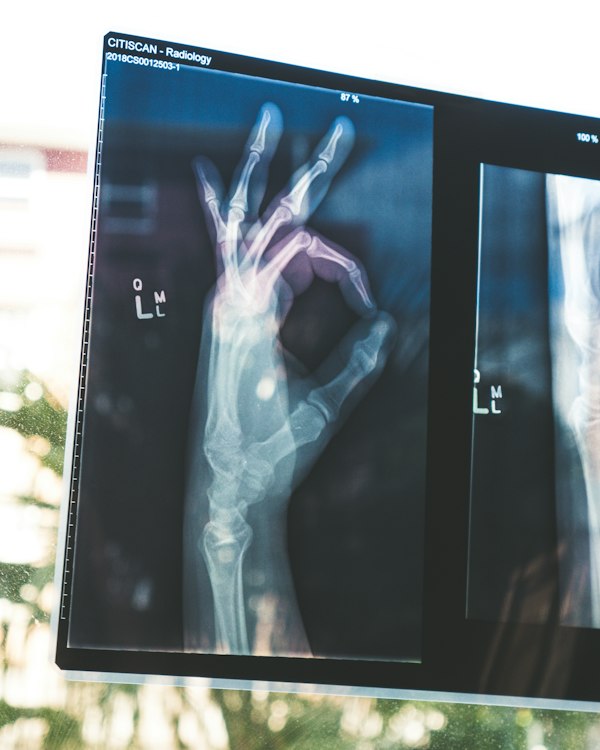
Convolutional neural networks are reshaping the way clinicians interpret medical imaging—achieving diagnostic accuracy that rivals board-certified radiologists in detection of pulmonary nodules, diabetic retinopathy, and intracranial haemorrhage. This review examines the clinical evidence, regulatory landscape, and ethical implications of deploying AI-assisted diagnostics at scale.
 AI · Radiology
Volume 7 · Issue 2
ISSN 2398-7421
Peer Reviewed · Open Access
24 articles this issue
Medical Review Forum
A student-led forum on biology, medicine, and clear scientific communication
Inspired by NLCS Jeju's annual Medical Review, this section brings the video into the page as a forum for the topics it celebrates: research skills, communication, ethics, and the many pathways that grow out of biology.
Main topic: Medical Review as a research challenge
The forum centers on students turning biological curiosity into a structured review, mirroring the school's annual challenge to sharpen research and presentation skills.
Connected themes: medicine, ethics, and future pathways
The discussion naturally connects to medicine, dentistry, biochemistry, neurology, biological engineering, and the broader ethical questions tied to modern biology.
What makes it successful
Its success comes from pairing depth of research with confident communication, so the students' ideas land clearly with both experts and peers.
Success & Winners
The closing segment celebrates the strongest presentations and the students who stood out for clarity, evidence, and scientific confidence. The real win is the way the forum turns classroom learning into a public showcase.
Best Research Depth
Strongest Presentation
Closing Winners
Latest Articles
 8 min
8 min

 12 min

 9 min
9 min

 10 min

 7 min
7 min

 13 min
Current Issue Highlights
Loading the latest articles...
Waste Clearance During Sleep: The Glymphatic System and Alzheimer's Risk
Emerging evidence implicates disrupted glymphatic activity in the pathological accumulation of amyloid-β and tau protein. We review the mechanistic link between sleep architecture, cerebrospinal fluid dynamics, and neurodegenerative disease progression.
CRISPR-Cas9 in Sickle Cell Disease: From Bench to Bedside
Phase III clinical trials of CTX001 (exa-cel) have demonstrated curative outcomes in transfusion-dependent β-thalassaemia. This article critically appraises the trial data, off-target editing risks, and equitable access challenges in low-income populations.
The Post-Antibiotic Era: Tackling AMR Through Phage Therapy
Antimicrobial resistance threatens to cause 10 million deaths annually by 2050. Bacteriophage-based therapeutics represent a promising adjunct to conventional antibiotics, with recent compassionate use cases demonstrating efficacy against carbapenem-resistant Klebsiella pneumoniae.
Circulating Tumour DNA and the Promise of Liquid Biopsies
Cell-free DNA analysis offers a non-invasive window into tumour evolution and minimal residual disease monitoring. We discuss current sensitivity limitations, the role of next-generation sequencing, and near-future clinical implementation pathways.
The Gut–Heart Axis: TMAO, Dysbiosis, and Atherosclerosis
Trimethylamine N-oxide (TMAO), a metabolite derived from gut microbial metabolism of dietary choline, has emerged as an independent predictor of major adverse cardiovascular events. This review synthesises the mechanistic and epidemiological evidence.
Beyond Glycaemia: GLP-1 Receptor Agonists and Cardioprotection
Semaglutide and tirzepatide have demonstrated significant reductions in MACE in landmark cardiovascular outcome trials. We analyse the proposed pleiotropic mechanisms and the evolving evidence base for their use beyond type 2 diabetes management.
Research Spotlight
CRISPR-Cas9: Rewriting
CRISPR-Cas9: Rewriting
the Human Genome
Clustered Regularly Interspaced Short Palindromic Repeats (CRISPR) technology has moved from prokaryotic immune defence mechanism to the most precise and accessible genome-editing tool in the history of molecular biology. Here we break down how it works, what the clinical data says, and why it matters for the future of medicine.
In the CLIMB-SCD-121 trial, 96% of patients with sickle cell disease achieved freedom from vaso-occlusive crises at 24-month follow-up after a single infusion of CTX001.
Off-target editing rates remain the central safety concern: whole-genome sequencing reveals edits at unintended loci in ~3–12% of treated cells across reported studies.
Base editing and prime editing represent next-generation refinements that substantially reduce double-strand breaks, improving precision without sacrificing efficacy.
Regulatory approval by the FDA (December 2023) marks the first approved CRISPR-based therapeutic globally, with the EMA following in February 2024.
Why It Matters
For the first time in medical history, we can correct the underlying genetic cause of a disease — not merely manage its symptoms. CRISPR's approval signals a paradigm shift from pharmacological to genetic medicine, and raises profound questions about equity, consent, and the definition of "normal" human biology.
How CRISPR-Cas9 Works
Design Guide RNA (gRNA)
A ~20-nucleotide sequence complementary to the target DNA locus is synthesised and complexed with Cas9 protein.
Cas9 Scans Genome
The Cas9-gRNA complex traverses the double helix, interrogating sequences adjacent to PAM sites (NGG motifs).
Double-Strand Break
On target recognition, both Cas9 nuclease domains cleave the DNA, creating a blunt-ended double-strand break.
DNA Repair Pathway
NHEJ introduces indels (gene disruption) or HDR incorporates a donor template for precise sequence correction.
Validated Edit
Sanger sequencing and NGS confirm successful modification; off-target analysis via GUIDE-seq validates specificity.
~3 Gbp
Human genome size
<24 h
gRNA design time
~$1M
Cost per patient (2024)
96%
Trial efficacy (CTX001)
Student Perspectives
Voices from the Next Generation
Expert Voices
![]()
In Conversation
Open for Submissions
Share Your Research
with a Global Audience
Medical Review publishes original research reviews, case commentaries, and opinion pieces by secondary and undergraduate students worldwide. Your evidence-based perspective matters.
Evidence-based writing
APA / MLA referencing
Peer review process
Open access publication
500–3,000 words